
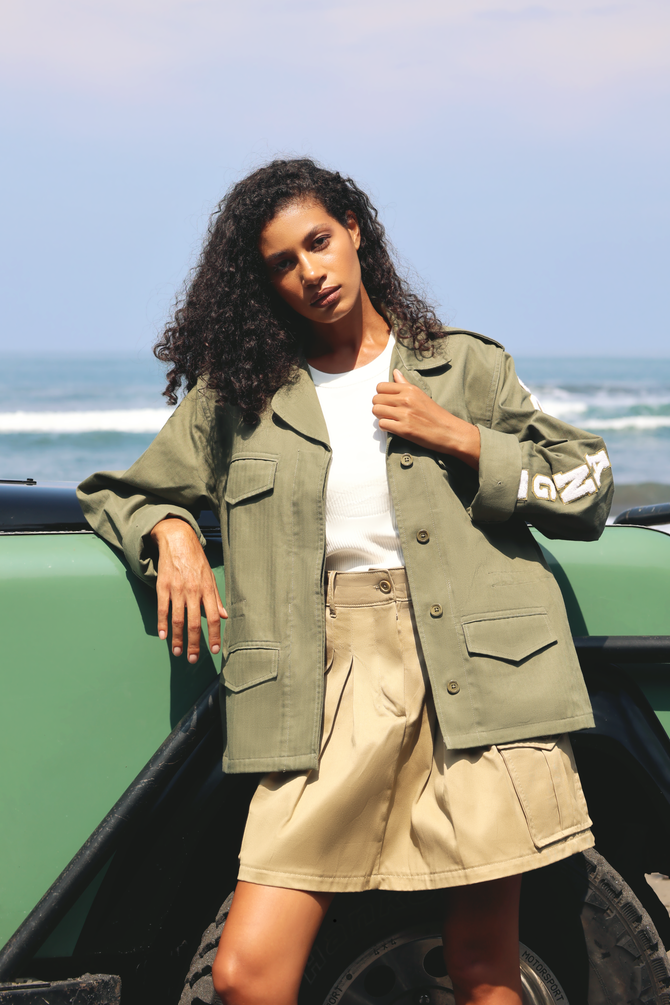


The cape is one of the most enigmatic pieces of women's wardrobe. Both heritage and modernity, it spans the ages without ever losing its splendor. Worn by the elegant women of the 1920s, reinvented by contemporary fashion houses, the cape embodies a freedom of movement that the classic coat does not know. You still have to know how to choose it, wear it and combine it correctly.
Why adopt the cape this season?
In a world where clothing is increasingly functional, the cape reminds us that elegance is not a matter of compromise. It adorns the gesture, enhances the silhouette, and offers a singular presence. Unlike the traditional coat, it does not constrain the shoulders – it wraps them. The cape frees the arm, lets the jacket or dress express itself underneath, and creates a look of remarkable fluidity.
Spring and summer 2026 see the return of airy pieces, those that wear like a second skin without ever weighing down. The cape, in its light variations – linen, cotton, fine cashmere – responds to this desire for lightness with silent authority.
How to choose your cape? The decisive criteria
Length: a subtle balance
The cape comes in several lengths, and each choice speaks to a different intention. A short cape, stopping at the elbows or the waist, evokes the officer, the military precision softened by the cut. It structures the upper body and goes ideally with a fitted dress or high-waisted pants. A mid-length cape, reaching down to the hips, offers the most versatile compromise: covering enough for cool evenings, light enough for spring days. A long cape, finally, touching the knee or the calf, transforms the silhouette into a column of elegance - it is the ceremonial cape, that of weddings and occasions where we wish to make an impression.
The material: the choice that makes the difference
The material dictates the character of the cape. Exceptional cashmere wraps you in soft, silky warmth - it's the cape you keep on your shoulders on the terrace when evening falls on a summer day. Linen brings a structured freshness: a French linen cape is worn like a summer jacket, opened over a light dress, for an outdoor lunch or a walk by the sea. The woolen cloth, noble and dense, is suitable for cool seasons, cut from a tight gabardine which holds the wind without weighing it down.
At Coulange, each cape is made from materials selected with the highest standards, in the tradition of our workshop. The drape of the fabric, the precision of the finishes, the neatness of the seams – everything contributes to a piece that will last through the seasons without weakening.
The cut and details
Observe the shoulders: a well-cut cape hugs the line without crushing it. The armholes – discreet slits to allow the arms to pass through – must be placed precisely, neither too high nor too low. A stand collar brings graphic rigor; a shawl collar softens the whole thing with a more feminine curve. The buttons, finally, are never trivial: in mother-of-pearl, in real horn, in brushed metal, they signify the attention paid to every detail.
How to wear the cape with style?
With a dress
The most natural association, and perhaps the fairest. A cape worn over a dress follows the movement, creating a fluid line from the collar to the ankles. Straight linen dress, belted shirt dress, figure-hugging evening dress — the cape adds an architectural dimension without ever competing with the dress. For a wedding or ceremony, a light cashmere cape over a cocktail dress creates a silhouette of rare distinction.
With pants
The cape dialogues wonderfully with the pants, provided you respect the volumes. Straight or slim pants balance the natural fullness of the cape. Avoid pants that are too wide, which would create a floating silhouette without an anchor point. The combination of cape + cigarette pants + pumps is extremely effective, for a dinner in town or a gala evening.
With jeans
Yes, the cape can also be worn with jeans. It's even one of the most modern ways to tame it. Raw, well-cut jeans, combined with a linen or woolen cloth cape, create a controlled contrast between the rigor of the top piece and the relaxedness of the denim. Add ankle boots and the ensemble holds together perfectly for a chic weekend in the countryside.
Colors according to the season
For spring and summer, favor light and natural tones: sand beige, greige, ivory, sky blue. These shades capture the light and give the cape a visual lightness which reinforces its fluidity. For fall and winter, deep colors take over: navy, black, burgundy, forest green. A black woolen cloth cape is an investment that will last through the decades without aging.
Maintaining an exceptional cape
A cape made from noble materials deserves special care. Cashmere is only sent to the dry cleaners once or twice a season - too frequent maintenance tires the fiber. Linen can be washed by hand or in a machine on a delicate cycle, and ironed while still slightly damp to preserve its hold. Store your cape flat or on a wide, padded hanger, never on a hook that would deform the shoulders. In a breathable cotton cover, protected from light, it will last through the years without alteration.
The cape, a heritage to pass on
Unlike the classic jacket or coat, the cape does not go out of style. It does not follow short fashion cycles, does not comply with the seasonal injunctions of ephemeral trends. A well-chosen cape, in an impeccable material and a timeless cut, can be worn at 30 as well as at 60. It travels from one generation to another, patinates with elegance, and tells a story that goes beyond that of its owner.
This is perhaps the true privilege of exceptional pieces: not ostentation, but permanence. The cape, more than any other piece, embodies this idea of a garment that stands the test of time with the same grace as on the first day.
Discover our cape collection made in our workshop, or explore our selection of women's jackets to create your summer silhouette. For cooler evenings, our range of women's coats completes your wardrobe with the same quality standards.