

Inside a French-Made Coat Workshop
It's 8 o'clock. In the workshop, the hum of sewing machines has already begun. On the workbenches, carefully stacked pieces of fabric await assembly. Here, coats are made. Not mass-produced coats from the other side of the world, but unique pieces or very small series, designed to last for years.
At Coulange 1918, every coat is the result of a human chain where every gesture counts. It takes an average of eight hours of work to assemble a trench coat: cutting the fabric, setting the sleeves, installing the lining, hand-finishing. Eight hours during which the artisan's eye and hand never leave the piece.
Sourcing French Materials: The Choice of Excellence
Wool and Cotton
It all starts with the material. For a Coulange 1918 coat, cotton and wool are selected from French and European suppliers capable of guaranteeing complete traceability. The cotton gabardine used for trench coats comes from historic weavers who have mastered this art for generations.
This sourcing requirement is not just a matter of image: a beautiful fabric cuts better, sews better, wears better. It drapes perfectly. It ages gracefully instead of warping.
Buttons and Accessories
The buttons are made of genuine horn, selected for their authenticity. The belt buckles are cut from solid brass. Each accessory is chosen for its intrinsic quality, not its unit cost. In a French-made coat, the devil is in the details — but that's what makes the difference.
The Artisans' Gestures: A Living Heritage
Cutting
The cutter lays the patterns on the fabric with millimeter precision. He optimizes placement to minimize waste. On checked or striped fabric, he ensures the patterns match at the seams: this is called "pattern matching." A detail invisible to the novice, but one that immediately betrays sloppy work when absent.
Assembly
The seamstress assembles the pieces one by one. The seams are double-stitched, sometimes triple-stitched at stress points. Every pocket is reinforced. Every buttonhole is bar-tacked — a stopping stitch that prevents tearing. These gestures, passed down from generation to generation, are the beating heart of French manufacturing.
Hand Finishing
Once the coat is assembled, the finishing stage begins. Hems are done by hand for a perfect drape. The collar is shaped with an iron to hug the neck. The lining is secured with invisible stitches. Each coat is inspected, checked, and pressed before receiving its label.
Why Artisanal Manufacturing Changes Everything
A French-made coat is not just a garment. It is an object that carries within it hours of work, decades of craftsmanship, and a promise of longevity. Where a fast fashion coat will last two seasons, an artisanal coat will endure through the years.
By choosing a French-made coat, you also support an ecosystem of artisans, suppliers, and subcontractors who keep a French textile tradition alive. It is an act of consumption that has meaning, beyond the simple acquisition of a garment.
Discover Coulange 1918 Excellence
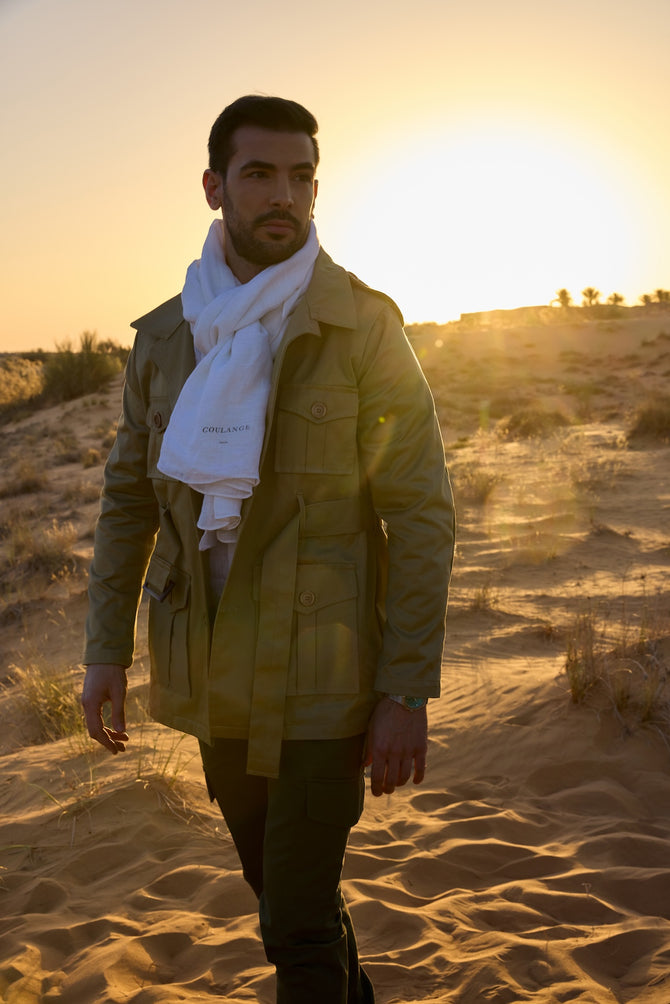
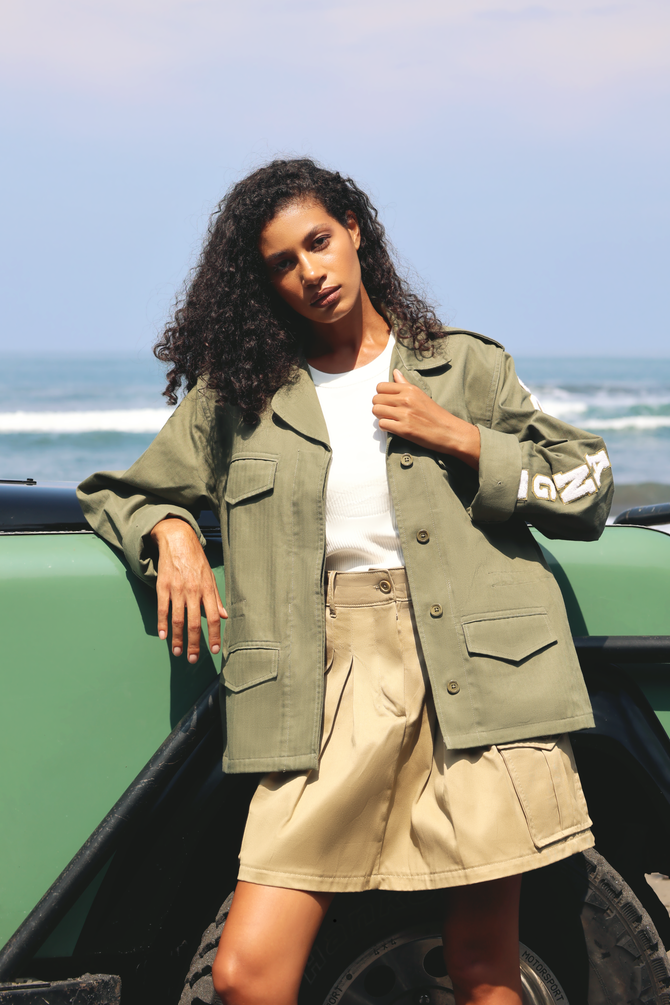
Our men's coat collection and our women's coat collection reflect this artisanal commitment. Each piece is made in France, respecting the traditions and the men and women who perpetuate them.
To learn more about our commitments, visit us Coulange 1918 craftsmanship page.